
In the R&D and manufacturing of medical devices, document change control goes by various names, yet in many companies, it often shares a similar reputation: it is viewed as an obstacle, a cause of schedule delays, or simply another hurdle to clear on the journey of bringing a good idea to market.
At Salt Medical, however, we see things differently.
Document change control is not an additional step that hinders project progress; rather, it is a vital and indispensable component of the quality management system, serving as a crucial safeguard for ensuring smooth project execution, consistent product quality, and end-to-end traceability.
Why Document Change Control is Crucial
From the initial design sketches drawn on paper during the R&D stage to the procurement of materials required to bring the product to life, every stage of the product lifecycle relies on document change control. A frequently cited adage in medical device quality management is: “If it isn’t documented, it didn’t happen,” which underscores the vital importance of document change control.
- Traceability: From the updating and initial release of procedural documents to product design and project initiation, every change must be traceable and comply with established system requirements; otherwise, the change may effectively be deemed invalid.
- Audit Readiness: Auditors meticulously examine various aspects ranging from initial design drawings to the competency of personnel involved in production and expect relevant folders, documents, and records to be readily available.
- Market Access: A product should not enter the market until its efficacy and reliability have been demonstrated; this requirement applies not only to the medical device itself but also to every stage of the manufacturing process.
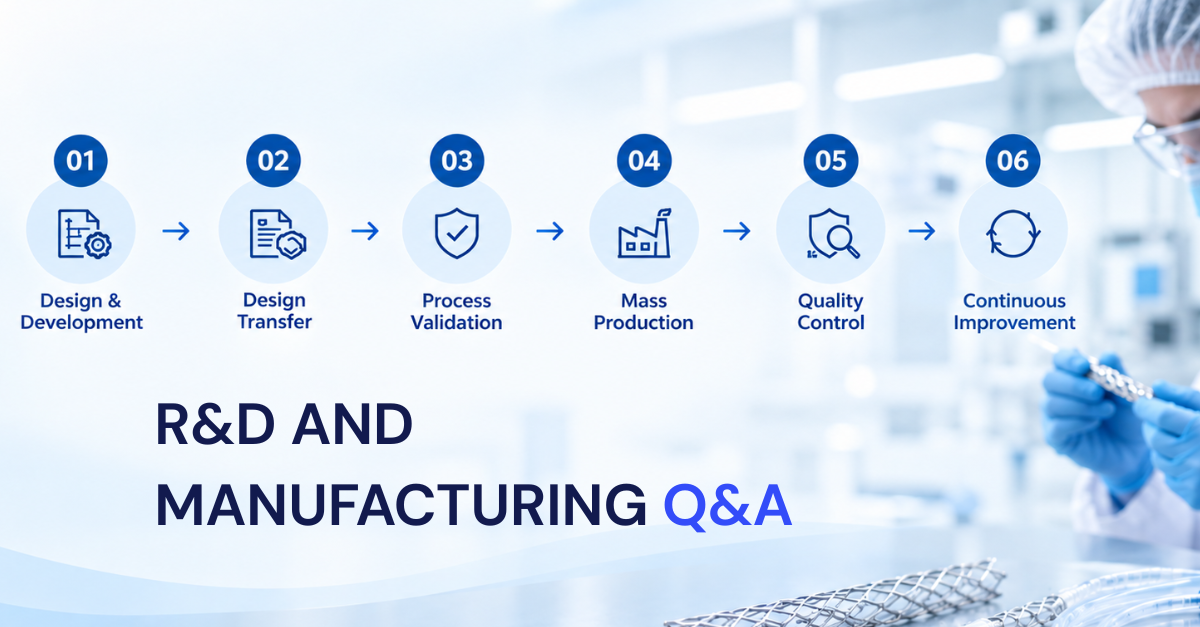
In medical device development, the cost of a design decision is at its lowest on day one and rises steeply from there. A structured development process protects the things that matter most.
Common Problem Areas for Organisations
1. Records Stored elsewhere
If asked exactly where a specific record is kept or in which folder or filing cabinet it resides many departments may be unable to answer immediately. They know the records “ought to be somewhere” and rely on the document control team to keep track of their precise locations.
The document control team is responsible for ensuring records are properly preserved, up-to-date, and complete, while also periodically auditing which records are currently on file and identifying any that are missing.
“Oh, right I forgot about that.” This is an easy oversight to make, but the last thing an organization wants is for such an error to come to light only during an audit.
No error is desirable, but errors that could have been avoided are particularly regrettable.
2. Training Gaps Revealed During Audit
When a change is formally released, it is usually necessary to conduct corresponding “read and understand” training.
When reviewing training records, organizations often discover gaps: some individuals may have been on annual leave at the time, while others might have been occupied with other tasks when the notification was received.
While there may appear to be reasonable explanations for these situations, from the perspective of a quality system, such explanations cannot substitute for the required documentation and procedural compliance. Training is a critical step in ensuring that changes are effectively implemented in actual practice.
If a new document has been issued but the relevant personnel have not been timely informed or do not understand the changes, the document itself may be updated, yet the change may not have been truly put into effect.
Therefore, training records are an indispensable component of the quality system. 3. Approval Signatures Subject to Audit Scrutiny
- Auditors will also examine the individuals who approved each change.
- Did the relevant personnel possess the appropriate approval authority?
- Should other individuals have participated in the review process?
- Did the change initiator complete all necessary checks?
- Were items or relevant personnel that should have been included in the scope of the change omitted in order to expedite implementation?
Although these questions may seem like mere details, they directly determine whether a change is truly under control. A key objective of change control is to ensure that these questions can be answered clearly and definitively.
How Salt Medical Implements Document Change Control
For Salt Medical, document change control is not a standalone back-office process; rather, it represents the integration of the quality management system into the entire project lifecycle.
We ensure effective management of every change through controlled processes and clearly defined responsibilities.
- Controlled Change Orders: Every document release and update follows a standardized, controlled process, ensuring that each change is reviewed by the appropriate personnel.
- Proactive Record Reviews: We regularly inspect existing records to identify gaps and promptly notify the departments responsible for those records to ensure they are completed and updated.
- Clear Training Responsibilities: The document control team is responsible for issuing changes and notifying all personnel affected by the associated training requirements. Once notification is confirmed, the responsibility for completing the required training rests with the individual; during audits, any failure to complete training records as required is traced back to this point of responsibility.
- Audit-Ready Evidence: Supporting materials such as relevant folders, documents, and notifications are readily available whenever requested by auditors.
From Document control to the Entire CDMO Quality System
- Document change control is just one component of Salt Medicals quality management system, yet it embodies our fundamental approach to quality management: a commitment to quality permeates every aspect of our operations. From document change control to our ISO 13485-certified quality management system, quality requirements are consistently integrated into our workflows.
- For a medical device CDMO, clients seek more than just a supplier capable of product R&D or manufacturing; they require a partner who can provide stable, standardized, and traceable support throughout the entire project lifecycle.
- From a single document change to the full project lifecycle, Salt Medical consistently embeds quality into every step.
Have a medical device concept ready to move forward?
If you are looking for a medical device R&D and manufacturing partner with quality processes capable of withstanding rigorous audits and inspections, we invite you to Contact our team to discuss your medical device development requirements and next steps.