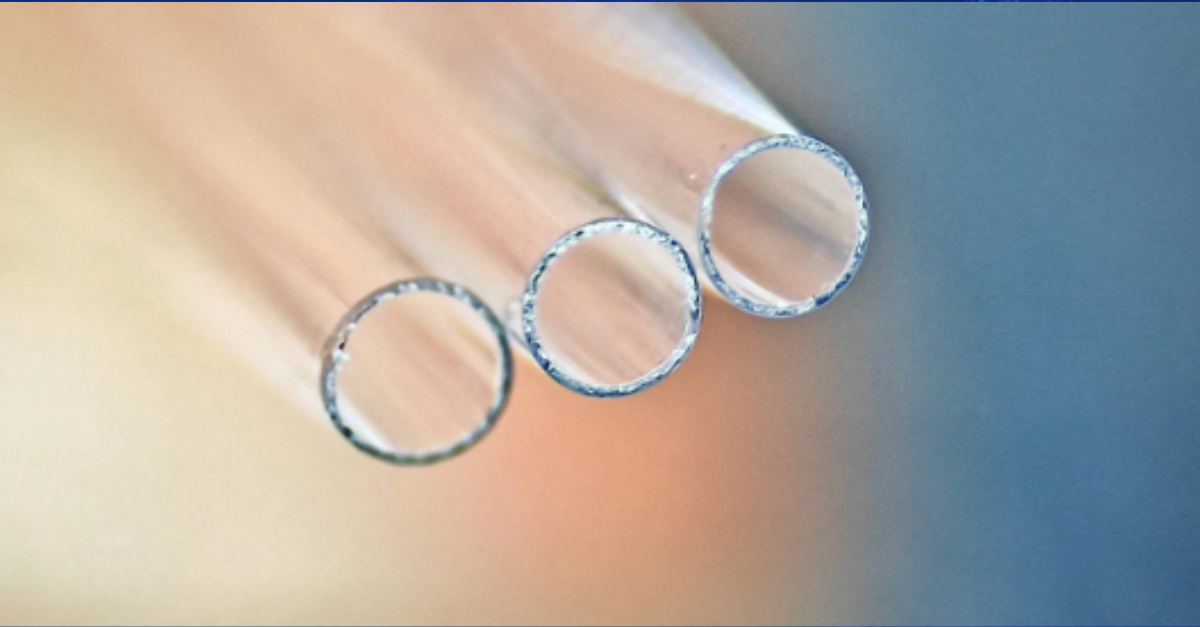

In minimally invasive procedures such as cardiovascular and neurovascular interventions, catheter sheaths act as the gateway for diagnostic and therapeutic devices. They enable smooth delivery of the primary device providing stability and foundational support throughout increasingly complex and distal anatomical pathways.
As clinicians navigate more tortuous vasculature and demanding procedural conditions, the expectations placed on catheter sheath design continue to rise. Today’s sheaths provide not only access, -they deliver the optimal balance of flexibility, support, pushability and kink resistance.
Failure to achieve this balance can have significant implications for procedural efficiency and patient safety.
Why Kink Resistance Matters in Catheter Sheath Design
During interventional procedures, catheter sheaths are subjected to repeated bending, twisting and compression forces. If a sheath loses its structural integrity, the consequences can range from procedural delays to serious clinical complications.
Potential challenges include:
- Difficulty advancing or retrieving devices through the sheath;
- Increased procedure times due to compromised access;
- Reduced torque response and diminished control;
- Structural fatigue caused by repeated bending cycles;
- Increased risk of device malfunction or vascular trauma
For manufacturers, developing a sheath that maintains lumen integrity while preserving maneuverability remains one of the most complex engineering challenges in interventional device design.
Common Challenges in Traditional Sheath Design
Traditional catheter sheath structures often encounter three persistent limitations:
- Reduced Stability in Complex Anatomies
Highly tortuous pathways can place significant stress on sheath structures, increasing the likelihood of deformation or kinking.
- Fatigue Risks from Repeated Bending
Repeated flexion may compromise structural integrity over time, potentially affecting long-term reliability.
- Balancing Support with Flexibility
Increasing stiffness may improve support but can reduce trackability and pushability. Conversely, highly flexible designs may lack sufficient reinforcement. As a result, many conventional designs struggle to achieve the ideal combination of stability, durability and procedural performance. Additionally, the desire is to have as thin as a wall as possible in the sheath construction so that the lowest profile sheath possible is achieved (i.e. the lowest OD) whilst allowing the transition of the largest diameter thereapeutic/diagnostic device internally.
How Coiled Spring Technology Addresses Kink Resistance Challenges
At Salt Medical, our engineering teams continually explore advanced manufacturing approaches that improve catheter performance under demanding clinical conditions.
One approach involves the optimisation of coiled spring reinforcement within sheath structures.
By integrating coiled spring technology into the catheter sheath manufacturing process, it is possible to create an architecture that combines flexibility with support.
Key design considerations include:
- Zoned stiffness profiles to support different procedural requirements along the device length;
- Multi-layer composite reinforcement to enhance structural integrity;
- Low-friction surface optimisation to facilitate smooth device delivery;
- Enhanced resistance to deformation during complex navigation.
- A variety of wire cross-sections to optimise the balance between flexibility, profile and kink resistance.
This approach aims to improve lumen stability while maintaining the performance characteristics required in modern interventions.
Manufacturing Excellence Through Process Control
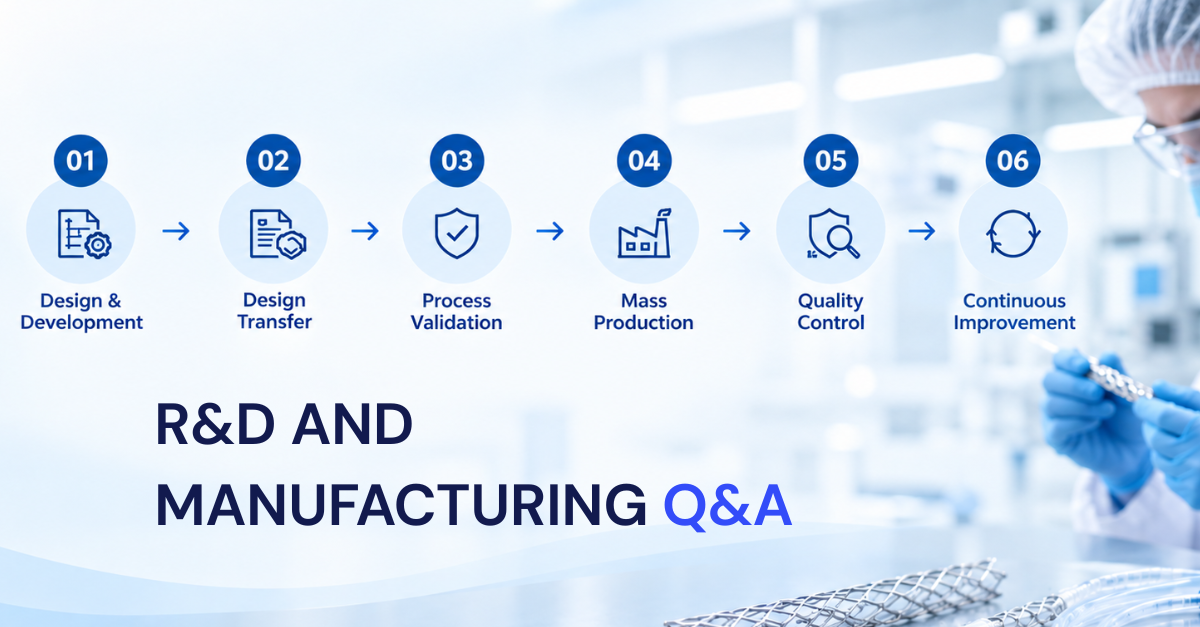
Performance does not depend solely on design. Robust manufacturing controls are equally important.
To support consistency and reliability, process development may incorporate methodologies such as:
- Design of Experiments (DOE) to optimise critical parameters;
- Statistical Process Control (SPC) to monitor manufacturing variation;
- Verification activities designed to assess performance under conditions representative of clinical use.
These practices help establish confidence that sheath performance can be reproduced consistently throughout manufacturing.
Case Study: Optimising Sheath Performance in Tortuous Vascular Pathways
In one complex vascular intervention application, a customer experienced shape instability within critical bending segments of the access pathway. The original sheath design demonstrated deformation that affected pathway establishment and increased procedural complexity.
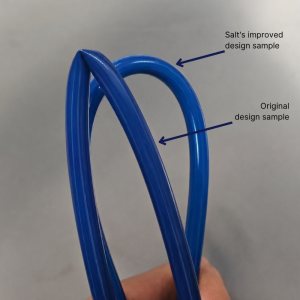
To protect the intellectual property of our partners, the illustrations and details presented have been anonymised.
Following a systematic review of the application requirements, the Salt Medical team optimised the sheath structure using coiled spring reinforcement principles.
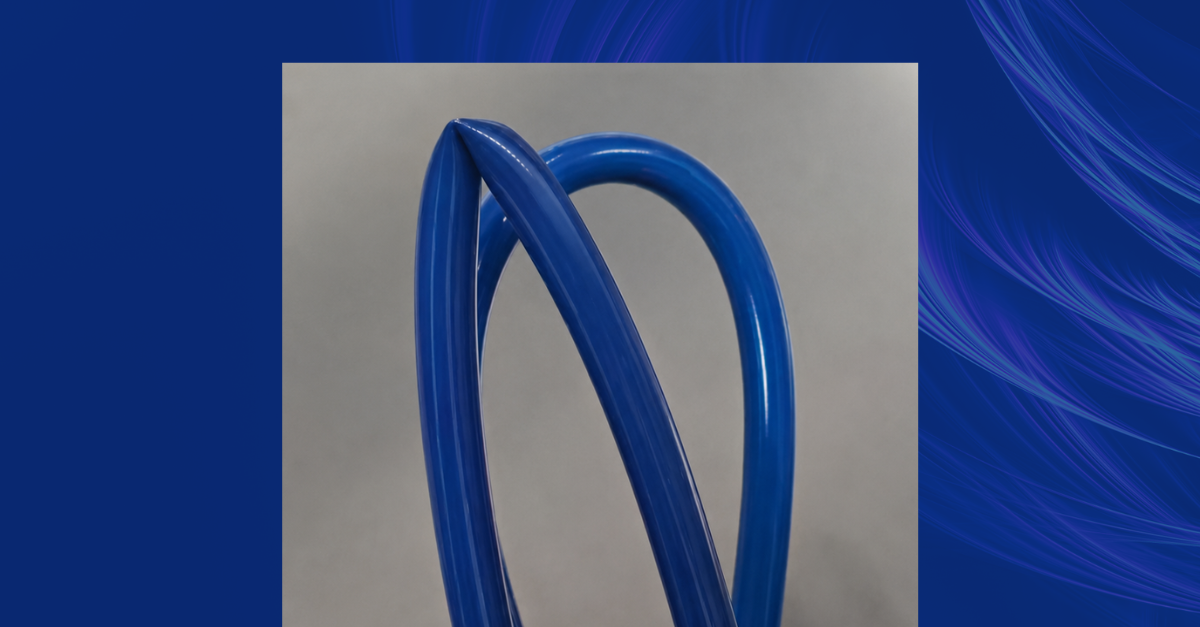
Compared with the original design, the improved sample maintained its shape and internally patency during both 90° and 180° bend evaluations, demonstrating enhanced structural support and anti-kinking performance.
The optimised design achieved improvements in three critical areas:
Anti-Kinking Performance
The sheath maintained its lumen stability and patency while navigating curved pathways.
Pushability
Smooth advancement characteristics helped support efficient pathway access.
Torque Transmission
Responsive torque transfer enabled greater control and precision during navigation.
The Future of Catheter Sheath Manufacturing
As interventional procedures become increasingly sophisticated, the demands placed on catheter technologies will continue to evolve.
The next generation of catheter sheath manufacturing will require more than incremental improvements. Success will depend on integrating advanced reinforcement strategies, rigorous process validation and collaborative engineering approaches to address increasingly complex clinical needs.
Understanding how different structural technologies influence device performance is an important step towards developing safer, more reliable interventional solutions.
If you would like to discuss a specific design challenge or explore potential approaches for your next development programme, the Salt Medical team welcomes confidential conversations with innovators across the globe.