
Design Transfer Overview
In the previous issue of the series on the road to success in medical device manufacturing, we explored how design for manufacturability (DFM) can simplify the manufacturing process, improve efficiency and reduce costs through design optimisation. As a continuation and practice of DFM, design transfer is the activity and process of introducing medical device design into production. Effective design transfer is required by regulatory agencies, but it can also control manufacturing costs. In addition, effective design transfer can shorten product time to market and improve product quality. In practice, companies often work with a contract development and manufacturing organisation (CDMO) to ensure that the transition from design to scalable production is efficient and compliant with regulatory requirements.
Regulatory agency requirements for design transfer
- FDA requirements:
Design transfer is covered in the FDA’s quality system regulations (21 CFR 820.30(h)): “Each manufacturer shall establish and maintain procedures to ensure that device designs are properly translated into manufacturing specifications.”
The road to success in medical device manufacturing, Part 2: Design transfer (Figure 2)
- Requirements of ISO 13485:2016:
In Section 7.3.8 of ISO 13485:2016, the design transfer requirements clearly state: “The organization shall document procedures for the transfer of design and development outputs to manufacturing. These procedures shall ensure that the outputs of design and development are verified in a manner suitable for production before becoming the final production specification and that the production capability can meet the product requirements. The results and conclusions of the transfer shall be recorded.”
The road to success in medical device manufacturing, Part 2: Design transfer (Figure 3)
- Requirements of NMPA and EU MDR:
Although design transfer is not specifically mentioned in the China NMPA and EU MDR, these requirements are already fully covered by the definition in ISO 13485.
Essential Components of Effective Design Transfer
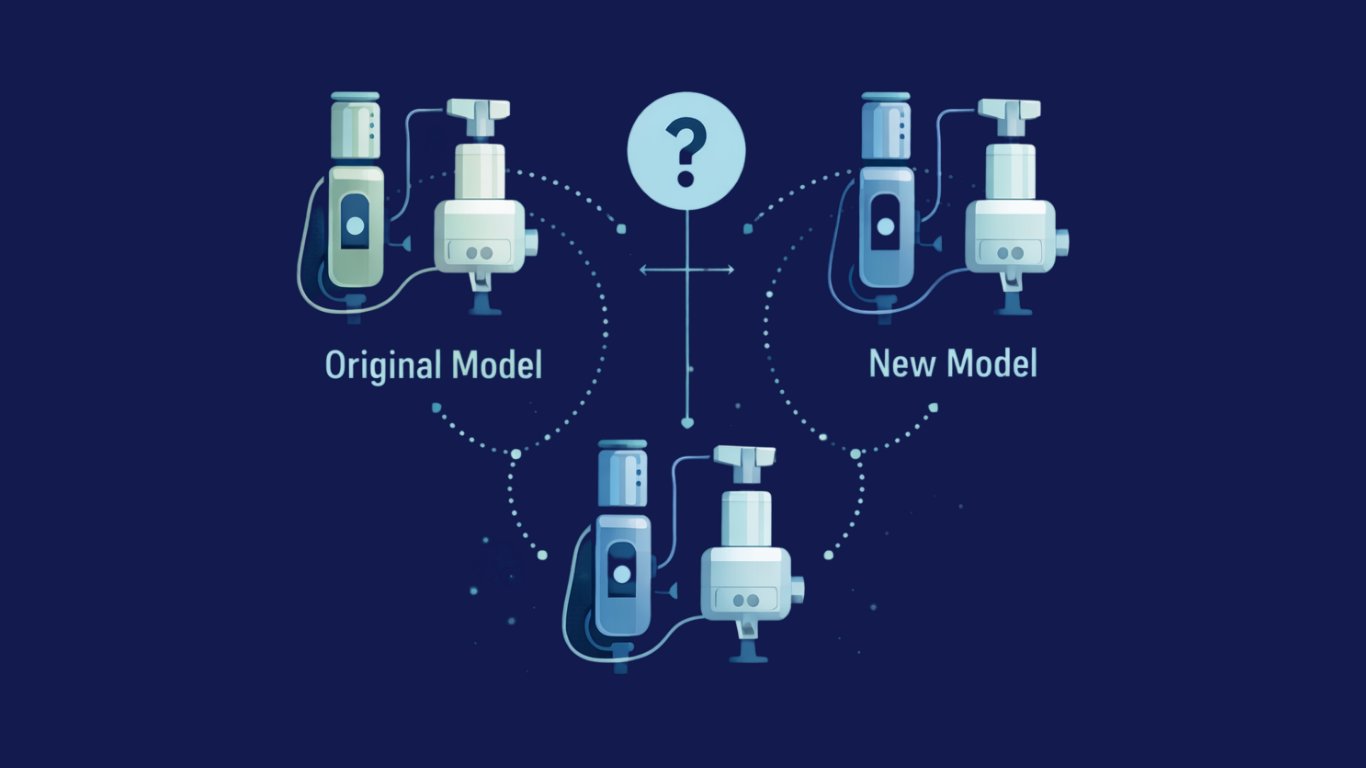
It is good practice to use a design transfer checklist to ensure that all activities related to the transfer have been successfully completed and documented. The design transfer process should begin as early as possible in the design phase, as manufacturability must be considered continuously throughout product development. This is why early-stage prototyping and iterative testing are often used to refine the design before it moves into regulated production environments. This is called design for manufacturing, or DFM. In addition, process validation is closely related to design transfer, so both should be performed and documented at the same time. All activities related to the design transfer process should be fully documented.
Three-stage design transfer process
△ Phase 1
The first phase of the design transfer process involves manufacturing the product for non-clinical use under incomplete QA control conditions. This phase is typically used to evaluate and refine the Phase I prototype samples.
△ Phase 2
Phase II involves the production of product for clinical use or validation purposes. Therefore, the product produced during Phase II of the design transfer process is fully QA controlled.
△ The third stage
Phase 3 is the final stage of the design transfer process, when the product is fully transferred to the production team for commercial production. This part includes a formal meeting between the design, production and quality teams for a comprehensive review. A core component of this review is our Design Transfer Checklist.
At this stage, collaboration between design, quality, and manufacturing teams becomes critical to ensure the product can scale reliably and meet regulatory and market requirements. Many medical device companies rely on integrated CDMO partners to support this transition from development to full-scale production.
Interested to Learn More About Salt Medical? Contact Us
Related Posts:
Design for Manufacturability (DFM)
Medical Device Design & Development