
When a “Small Change” in Medical Device Development Can Create Regulatory Risk
In medical device development and manufacturing, the most challenging problems are often not the technology itself but the critical decision points that affect regulatory strategy.
A design adjustment, supplier change, or process optimisation may appear minor, yet it can create significant implications for:
- Medical device regulatory submissions
- Design verification and validation
- Quality management system (QMS) compliance
- Project timelines and costs
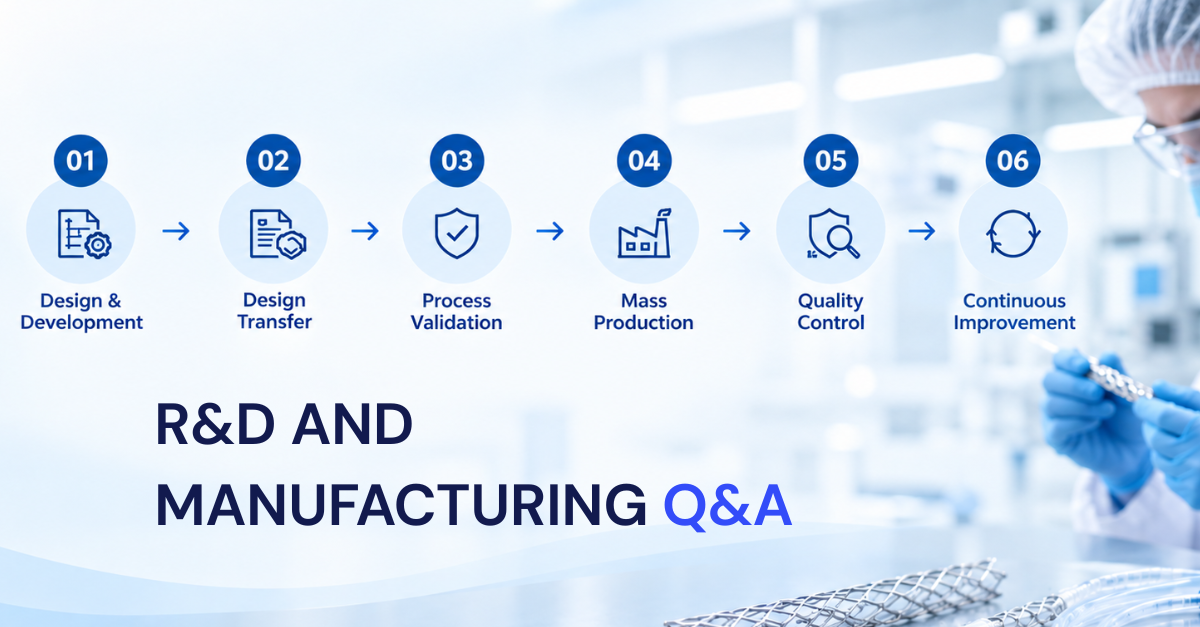
Within our Salt Insight | R&D & Manufacturing Q&A series, we share real questions encountered in client projects and explain how the SALT team approaches technical, regulatory, and manufacturing decision-making.
In this edition, we explore a question frequently asked during medical device R&D and CDMO collaboration:
“It’s only a small change, will it affect regulatory registration?”
1. Why “Small Changes” Matter in Medical Device Development
During medical device design and manufacturing, small adjustments are almost inevitable. These changes may arise from:
- Design optimisation
- Manufacturing improvements
- Assembly compatibility adjustments
- Supply chain or supplier changes
While these changes may seem minor from an engineering perspective, they can have significant regulatory and compliance implications.
In real client projects, the Salt Medical team frequently encounters situations such as the following.
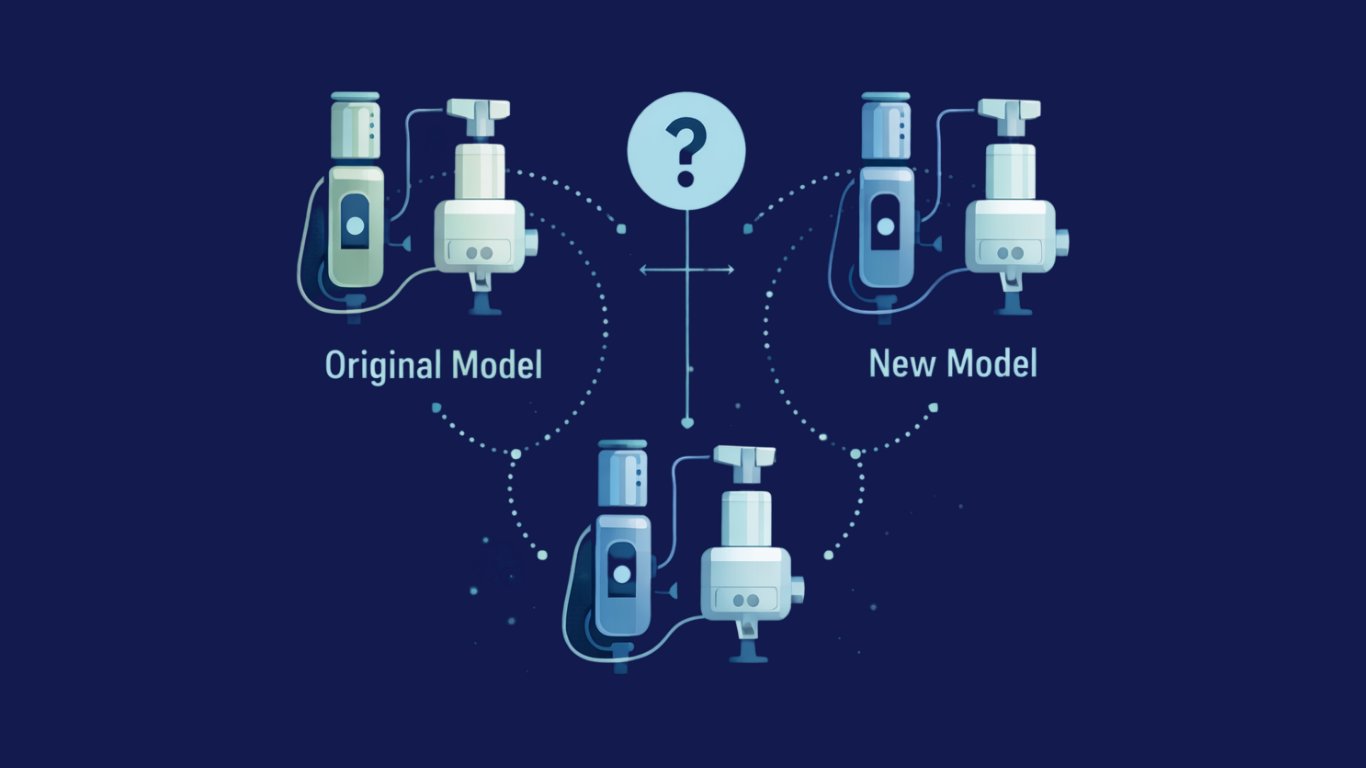
Case 1: Adding a New Product Model Before Regulatory Submission
During preparation for medical device regulatory registration, a client requested to introduce an additional product model based on existing specifications.
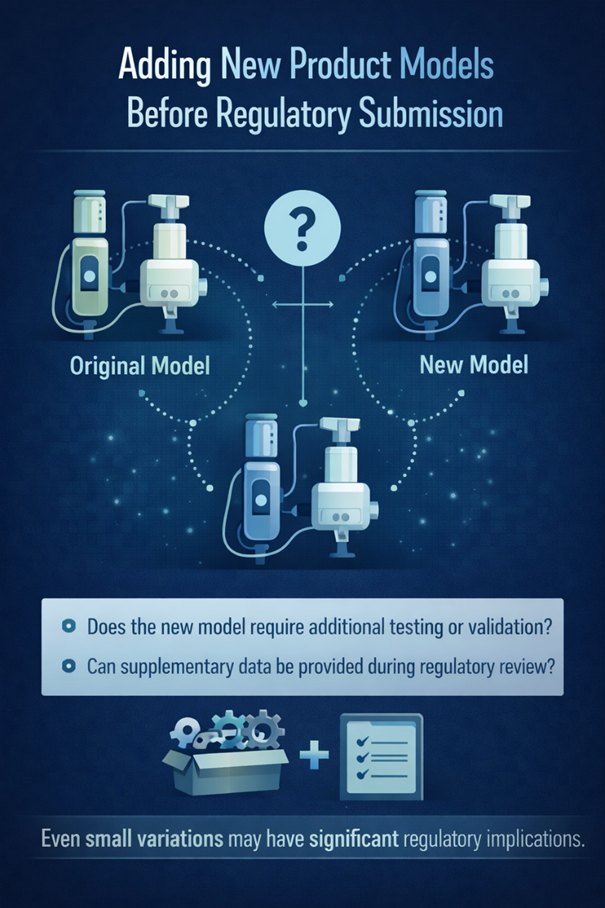
The key questions included:
- Can the existing verification and validation data cover the new model?
- Does the new model require additional testing or validation?
- Can supplementary data be provided during the regulatory review process?
Even when the core design remains similar, regulatory authorities may treat the model as a separate registration unit, which could affect submission strategy.
Case 2: Supplier Change During Design Verification
In another project, a client considered replacing an overseas supplier due to:
- Long lead times
- Higher procurement costs
The new supplier offered raw materials with the same grade specification. However, in medical device manufacturing, equivalent specifications do not automatically guarantee regulatory equivalence.
A supplier change may still require:
- Material equivalency evaluation
- Risk assessment
- Additional verification testing
- Quality documentation updates
2. Why Changes Become More Complex Under the CDMO Model
Under a CDMO (Contract Development and Manufacturing Organisation) collaboration model, regulatory strategy is often planned before the product design is fully frozen.
This means product development may continue while the project has already entered verification or regulatory preparation stages.
At this point, even a small change can affect:
- Completed design verification activities
- Risk management files
- Technical documentation
- Regulatory submission strategy
- The overall project timeline
As a result, what initially appears to be a simple design modification often requires detailed cross-functional evaluation.
In complex development environments, many companies rely on specialised partners such as medical device CDMOs to support regulatory strategy, design decisions, and manufacturing readiness across the full development lifecycle. Discover why CDMOs are reshaping medical device innovation
3. Key Regulatory Risk Factors When Making Product Changes
Two types of changes frequently create regulatory uncertainty during medical device development.
Adding New Product Models
When introducing a new product model, several regulatory factors must be evaluated:
In relatively simple scenarios, the change may affect:
- Selection of the representative model
- Design verification strategy
In more complex cases, it may influence:
- Regulatory registration unit definition
- Clinical evaluation planning
- Technical documentation structure
Even small variations in product specifications can change how regulators interpret device equivalence and intended use.
Changing Material or Component Suppliers
Supplier changes must be carefully evaluated under the medical device quality management system (QMS).
Even if the new supplier provides materials with identical grades or standards, companies must still verify that products manufactured with the new material source maintain:
- Consistent performance
- Product safety
- Clinical effectiveness
This often requires additional:
- Material testing
- Process verification
- Documentation updates
Explore our component supply capabilities
4. Change Control in Medical Device Quality Management Systems
In the medical device industry, change control is a core element of regulatory compliance.
Effective change management spans the entire product lifecycle, including:
- Research and development
- Procurement
- Manufacturing
- Distribution
- Post-market monitoring
Every change should go through a structured process that includes:
- Risk assessment
- Definition of mitigation measures
- Risk-based scientific evaluation
- Controlled implementation and documentation
Without a robust design change control process, companies risk delays in regulatory approval or product commercialisation. Learn more about
5. Salt Medical’s Structured Approach to Design and Regulatory Changes
When evaluating change requests, the Salt Medical team follows a systematic and cross-functional decision framework.
1. Determining Whether the Change Is Substantial
The first step is a technical and regulatory assessment of the proposed modification.
This analysis determines whether the change qualifies as a substantial change that could affect:
- Safety or performance
- Verification results
- Regulatory submission scope
2. Cross-Functional Change Review
A structured cross-departmental review is then conducted to evaluate the impact on:
- Product safety and effectiveness
- Manufacturing processes
- Quality control procedures
- Project cost and timelines
All evaluations are documented to maintain full traceability and regulatory compliance.
3. Coordinated Review Across Design, Risk, and Regulatory Teams
Change management requires collaboration across multiple disciplines.
The Salt Medical process ensures alignment between:
- R&D teams
- Manufacturing engineers
- Quality management professionals
- Procurement specialists
- Regulatory affairs experts
This integrated approach prevents information gaps and disconnected decision-making.
4. Transparent Communication With Clients
Salt Medical follows principles of scientific rigor, transparency, and objectivity when communicating with clients.
We clearly explain:
- Potential regulatory impacts
- Risk mitigation strategies
- Recommended implementation pathways
This ensures clients are able to make well-informed decisions before implementing changes.
All communications and decisions remain fully traceable and documented.
Supporting Medical Device Innovation With Controlled Risk
For the Salt Medical team, the goal is not simply to answer a technical question.
Our focus is to help clients make structured, risk-based decisions within complex medical device development environments.
With extensive project experience, Salt Medical provides:
- Strategic regulatory expertise across global markets
- Integrated R&D and manufacturing collaboration
- Efficient design verification and validation support
- Robust change management implementation
Through a compliant and systematic framework, we help clients optimize medical device development while controlling regulatory risk.
SALT Medical: Your Partner for Medical Device Innovation
Through deep technical expertise and a global operational footprint, Salt Medical helps accelerate the journey of medical technologies from concept to clinical application, enabling innovations to reach patients faster and more safely.
FAQ: Medical Device Design Changes and Regulatory Impact
Do small design changes require new regulatory approval for medical devices?
Not always, but even small design changes can affect regulatory submissions. Regulatory authorities typically require manufacturers to evaluate whether a modification impacts the device’s safety, effectiveness, intended use, or performance.
If the change affects these factors, additional verification testing, risk assessment, or regulatory documentation updates may be required before commercialisation.
Manufacturers must follow their design change control procedures within the quality management system (QMS) to determine the regulatory impact.
Effective change control is closely tied to continuous process improvement. Read more about continuous improvement in medical device manufacturing
What is change control in medical device development?
Change control is a structured process used in medical device quality management systems to evaluate, approve, implement, and document modifications made during the product lifecycle.
The change control process typically includes:
- Impact assessment
- Risk management review
- Verification or validation activities
- Documentation updates
- Controlled implementation
Effective change control ensures that modifications do not compromise device safety, regulatory compliance, or product performance.
Can changing a supplier affect medical device regulatory compliance?
Yes. Even when a new supplier provides materials with the same grade or specification, regulatory authorities often require manufacturers to demonstrate material equivalence and product performance consistency.
A supplier change may require:
- Material verification testing
- Risk management updates
- Supplier qualification documentation
- Updated regulatory technical files
Without proper evaluation, supplier changes can introduce unexpected regulatory risks or approval delays.
Does adding a new product model require additional testing?
Adding a new product model may require additional verification or validation, depending on how different the model is from the existing product.
Regulators may require manufacturers to demonstrate that the representative model testing strategy adequately covers all product variations. If the differences affect device performance or safety, additional testing or documentation may be required.
How can companies minimize regulatory risk when making design changes?
Companies can reduce regulatory risk by implementing a structured change management process that integrates design, manufacturing, quality, and regulatory functions.
Best practices include:
- Performing early risk assessments
- Evaluating regulatory impact before implementing changes
- Coordinating reviews across R&D, quality, and regulatory teams
- Maintaining complete and traceable documentation
This systematic approach helps ensure that product optimization does not lead to regulatory delays or compliance issues.
Explore more insights across medical device development, manufacturing, and regulatory compliance:
- What is a Medical Device CDMO and Why Do You Need One?
- Design for Manufacturability in Medical Devices
- Medical Device Prototyping
- Medical Device Design Transfer Explained
- Medical Device Design Validation Explained
- Continuous Improvement in Medical Device Manufacturing
- How CDMOs Are Reshaping Medical Device Innovation
- Computational Modelling in Medical Device Design